





| Quantity: | |
|---|---|


Textile Spinning Wetting Oil
LOUTANCE
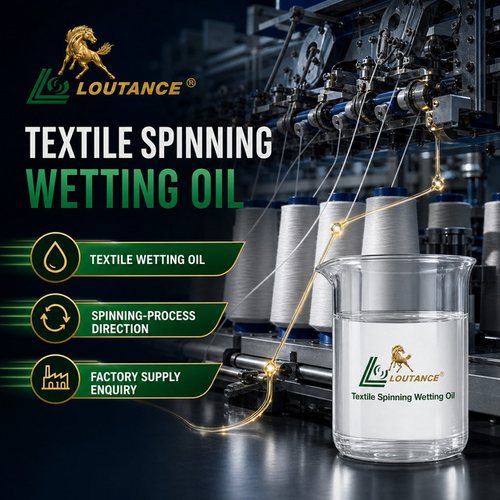
LOUTANCE Textile Spinning Wetting Oil is a textile-process oil direction for chemical fibers, textiles and industrial spinning-process lubrication inquiries. This page explains the application, selection information, packaging discussion and order-support context without presenting unverified specifications as finished sales claims.
The verified source identity supports a textile spinning wetting-oil direction for chemical fibers and textiles. It also identifies a clear mineral-oil appearance, while wetting, antistatic, washability and staining performance remain matters for product selection rather than front-end claims.
Spinning and fiber-processing requirements vary with the fiber, process stage, equipment, application method and target handling behavior. A useful inquiry therefore starts with the buyer's actual line and current product instead of relying on a generic textile-oil label.
Textile-process focus
For chemical-fiber and textile spinning-process inquiries.
Clear-oil direction
The source identifies a colorless transparent appearance.
Application-led review
Matched around fiber, process stage and oiling method.
OEM project support
Branding, destination and packaging preferences can be coordinated.
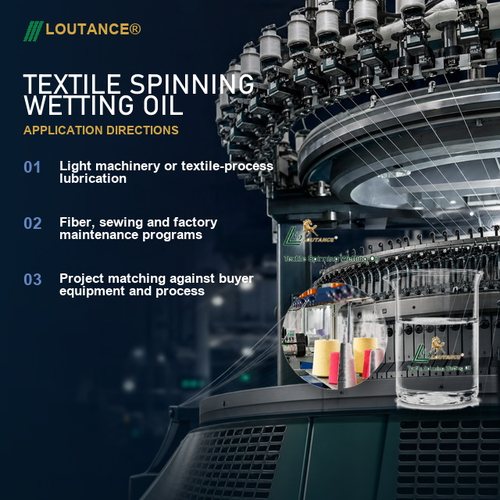
Typical discussions include chemical-fiber processing, textile spinning lines and related oiling points where a textile-process lubricant or auxiliary is being evaluated. The application visual shows the intended production context and does not imply suitability for every fiber or machine.
Share the fiber type, process stage, equipment or line, application method and current product. Staining sensitivity, washability expectations and downstream processing requirements are useful selection inputs when they affect the buyer's trial.
Chemical fibers
Product discussions for synthetic-fiber processing contexts.
Textile spinning
Spinning-line lubrication and auxiliary-oil inquiries.
Process trials
Application review around actual fiber and line conditions.
OEM sourcing
Distributor and private-label textile-oil projects.
A concise application brief is more useful than a long table of blank or conditional specification rows. The six items below give the LOUTANCE team the context needed to organize a focused product and quotation discussion.
Fiber type
Material and downstream textile-processing context.
Process stage
Spinning, oiling or related point of use.
Equipment & speed
Line or machine information and operating pace.
Application method
How and where the oil is introduced.
Selection needs
Current product, appearance and staining sensitivity.
Buying context
Demand, destination, packaging preference and document needs.
Packaging should fit the buyer's handling method, use pattern and destination. Instead of publishing capacities that may not match the final quotation, the visual below shows the types of formats that can be raised during the inquiry, from service packs and pails to industrial drums or project-based bulk handling.
State the preferred format, label language, expected demand and destination. The commercial response can then address the actual project rather than repeat a generic packaging promise across every product.

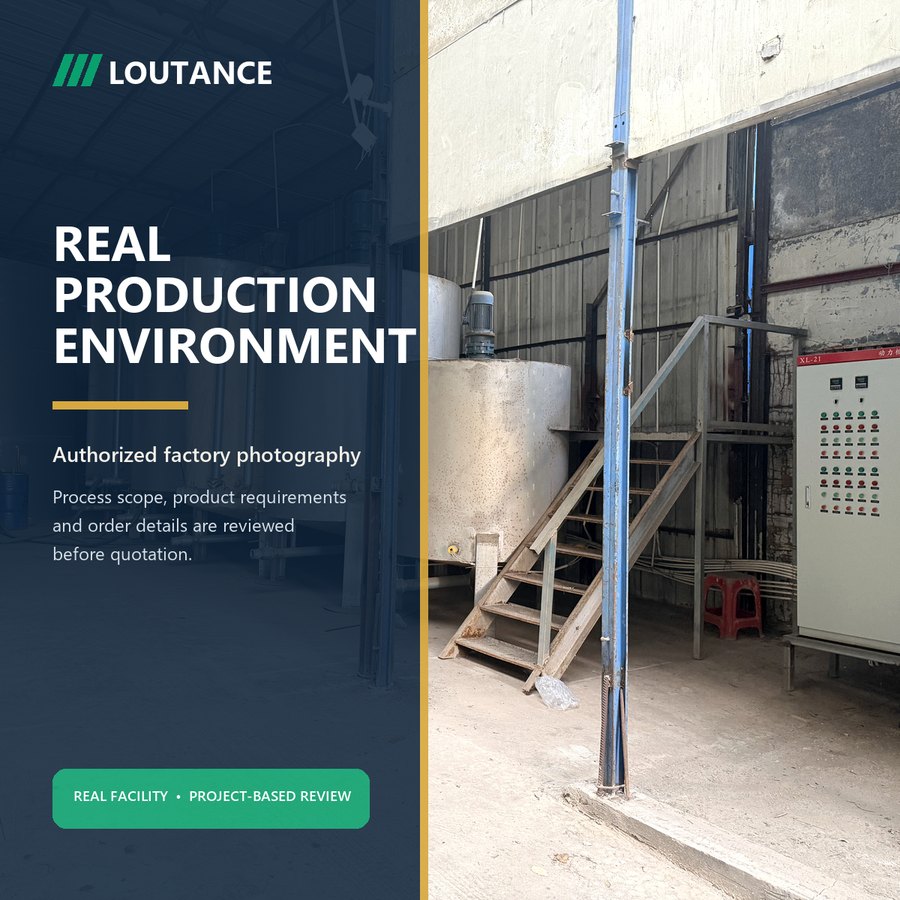
Real facility photography is used to make the sourcing discussion more transparent. The image below comes from authorized factory material supplied for this project. No invented plant, certification badge or capacity figure has been added to the scene.
Product direction, process scope and order requirements are reviewed together. This is especially useful when the buyer is comparing an existing product, preparing private-label artwork or coordinating documents for an export order.
REAL FACILITY PHOTOGRAPHY — APPLICATION-LED REVIEW — PROJECT-BASED COMMUNICATION
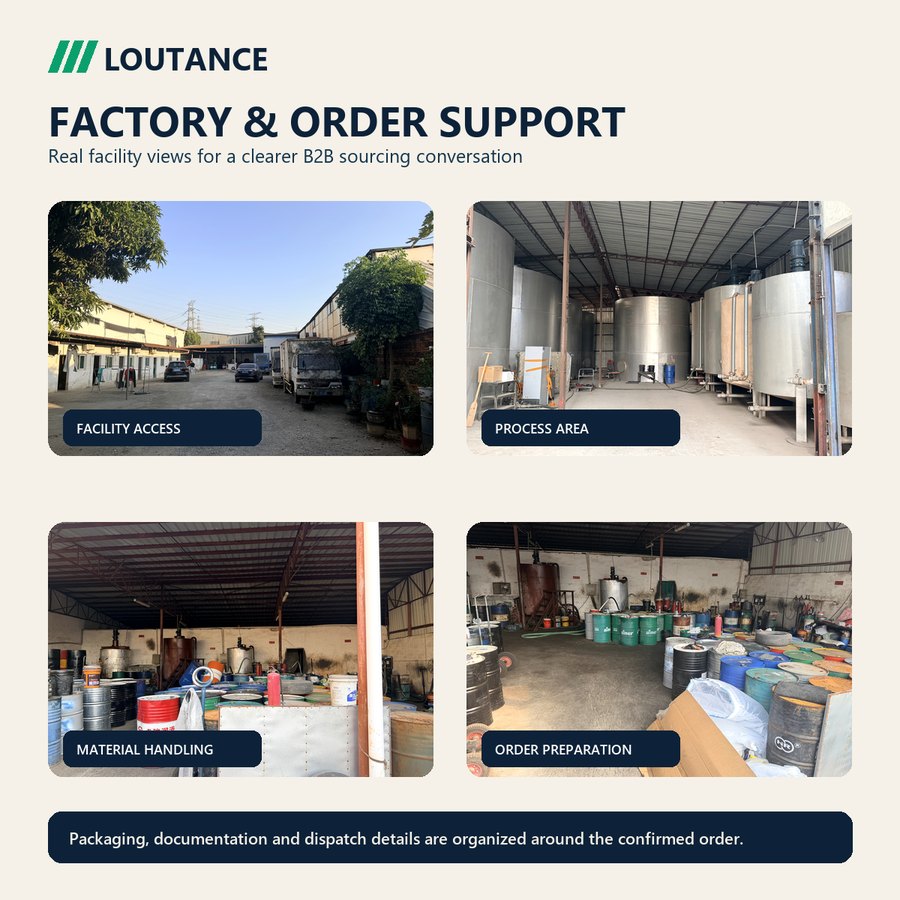
The production area is only one part of a reliable B2B order. Packaging decisions, labeling instructions, document needs, destination information and dispatch coordination should be aligned before the order moves forward.
The real views below present the facility and order-preparation context without turning factory photography into an exaggerated capability claim.
For OEM or distributor inquiries, LOUTANCE organizes the discussion around the actual project. Share the target market, preferred branding approach, packaging direction and delivery destination so the response stays relevant to the intended use.
Private-label discussion
Brand name, label language and artwork requirements can be reviewed with the project.
Document coordination
Tell us which product and commercial documents the buyer needs for internal review.
Packaging planning
Match the requested format to handling, expected demand and destination.
Export communication
Align destination, order information and dispatch requirements before quotation.
The source supports a textile spinning wetting-oil direction for chemical fibers and textiles.
No. Those results depend on the selected product and the buyer's fiber and process; include the required trial criteria in the inquiry.
Provide the fiber, process stage, equipment, application method, current product and any staining or downstream-processing sensitivity.
Yes. Share the target market, branding direction, packaging preference, destination and required documents for project review.
Send the application, current product, operating conditions, maintenance objective, destination and expected demand. The LOUTANCE team will organize the product, packaging, documentation and commercial discussion around the information that actually changes the purchasing decision.


